
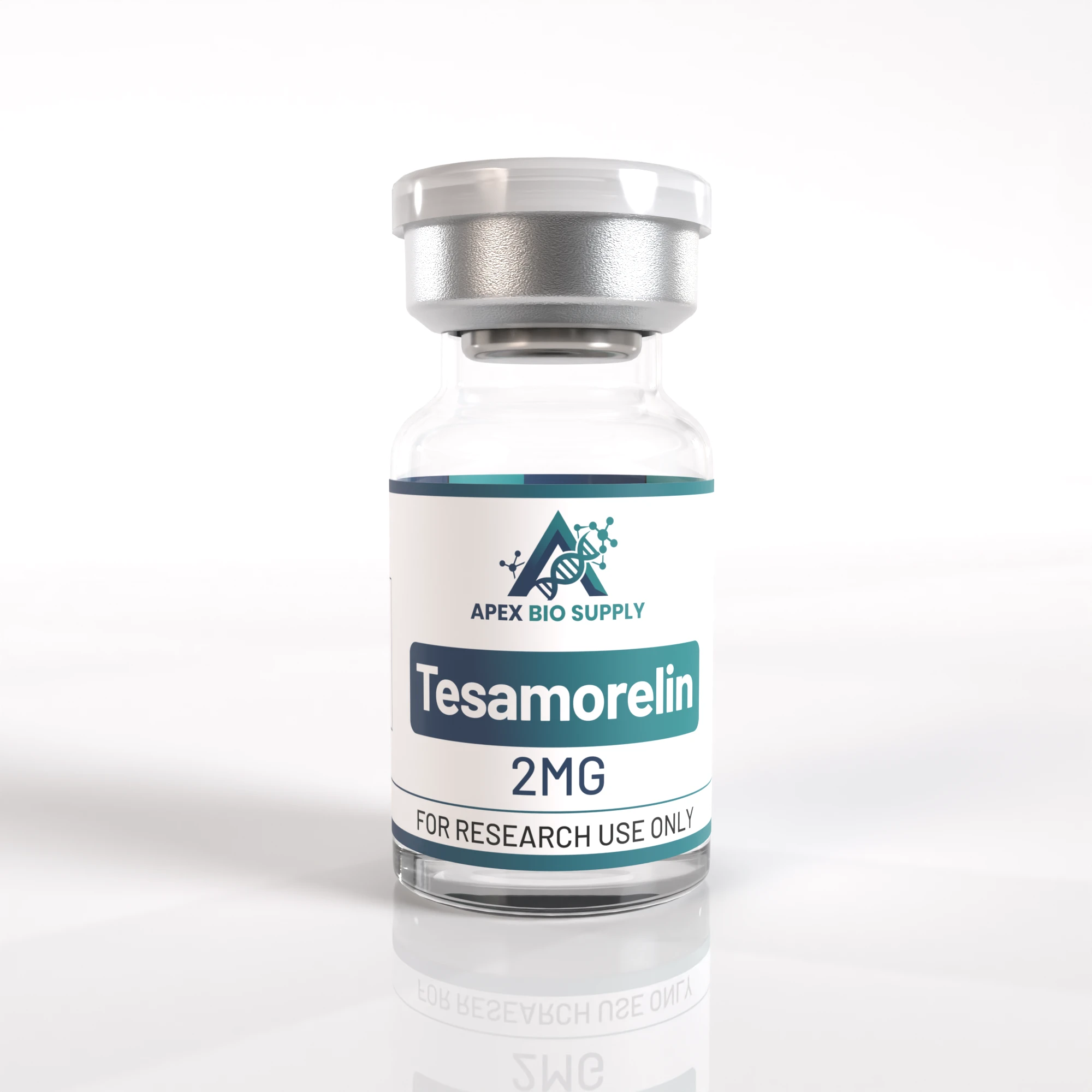

Tesamorelin 5MG
Tesamorelin 5MG is a synthetic peptide designed for research applications in the field of endocrinology and metabolic studies. Known for its selective action on the peripheral tissue growth hormone (GH) receptors, tesamorelin 5MG has been studied for its potential effects on tissue-specific growth and metabolism.
Research Context
Tesamorelin 5MG was first developed in the late 2000s for clinical evaluation in patients with severe lipodystrophy, a condition characterized by abnormal fat distribution. In research settings, tesamorelin 5MG is utilized to investigate its role in muscle and adipose tissue growth and metabolism. Due to its specific receptor binding, tesamorelin 5MG is often used to differentiate its effects from those of general growth hormone.
Research Overview
Tesamorelin 5MG functions by mimicking the effects of growth hormone on muscle and adipose tissue while sparing the liver, which is primarily targeted by endogenous growth hormone. This specificity makes it a valuable tool in studies examining metabolic processes, including fat distribution and muscle mass regulation. Research has primarily focused on its potential therapeutic applications in conditions involving abnormal fat deposition and muscle wasting, though its use remains experimental.
Key Research Focus Areas
- Lipodystrophy Research: Tesamorelin 5MG has been explored for its ability to promote adipose tissue growth, particularly in patients with lipodystrophy, a rare metabolic disorder affecting fat distribution.
- Metabolic Studies: Investigations into its effects on lipid metabolism, insulin sensitivity, and overall body composition in experimental models.
- Muscle and Tissue Growth: Studies assessing tesamorelin’s 5MG role in enhancing muscle mass and tissue regeneration under controlled research conditions.
- Comparative Endocrinology: Research examining the differential effects of tesamorelin 5MG versus other growth hormone analogs in non-human systems.
Safety and Compliance
Tesamorelin 5MG is intended solely for use in research environments under the direct supervision of qualified professionals. Due to its potential effects on metabolic and endocrine systems, it must be handled with the same rigorous standards as other potent research reagents. Investigators should adhere to all applicable regulatory guidelines, including proper documentation, storage, and disposal protocols.
For research use only. Not for human or animal consumption.
| Size | 2MG, 5MG, 10MG |
|---|