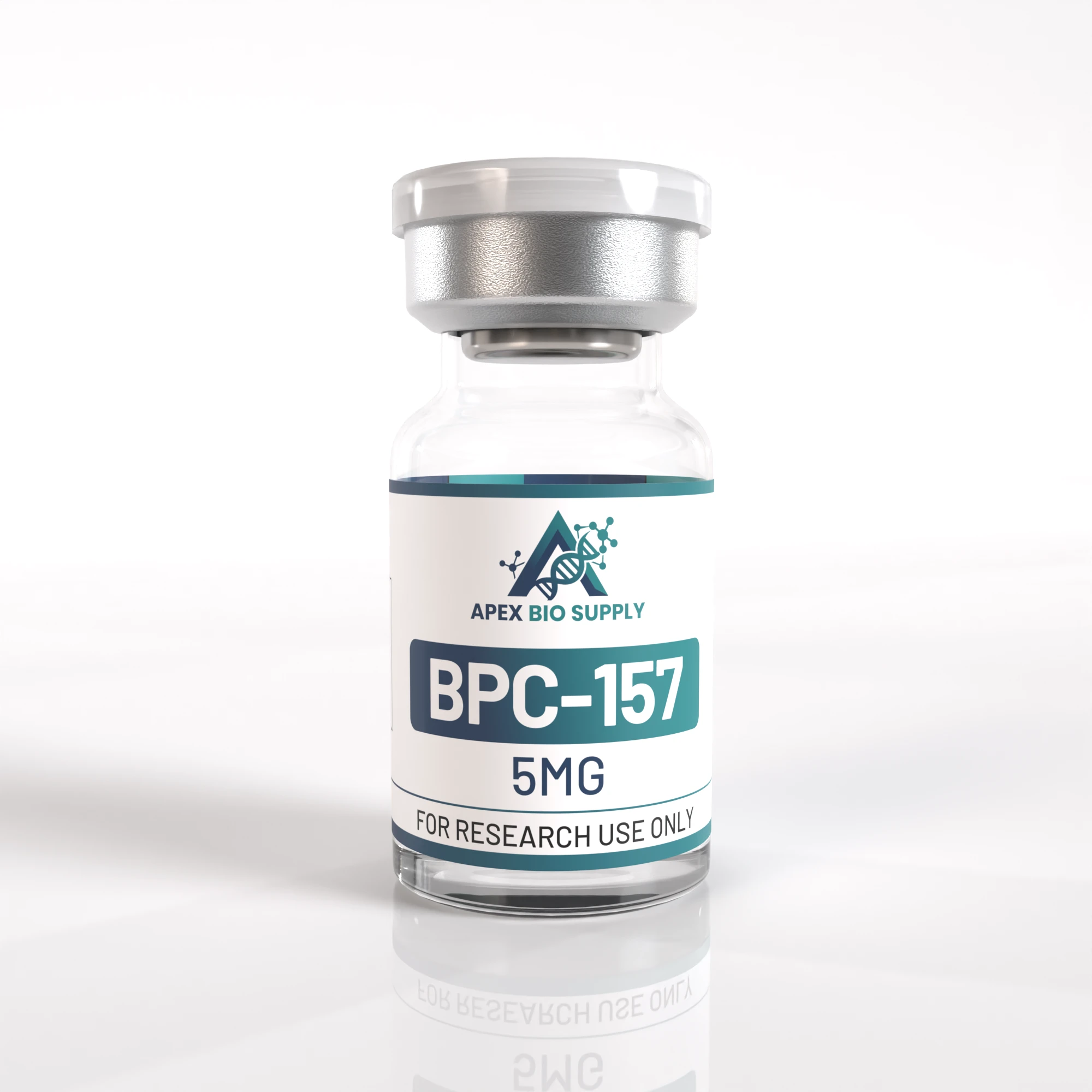

BPC-157: A Synthetic Peptide Mimic of Endogenous Bone-Protective Compounds
BPC-157 is a synthetic decapeptide derived from human blood plasma, initially studied for its potential regenerative properties in experimental models. This research-use-only peptide has garnered interest in the scientific community for its effects on tissue repair mechanisms, though its applications remain strictly within academic and laboratory contexts.
Research Context
BPC-157 was originally identified in human blood plasma and is structurally similar to endogenous peptide signals involved in wound healing, gastrointestinal mucosal repair, and bone regeneration. Its synthetic formulation allows for precise investigation of biological activity in controlled settings, though its therapeutic potential in humans has not been validated through clinical trials. Research on BPC-157 continues to explore its potential mechanisms in tissue regeneration, inflammation modulation, and repair pathways.
Research Overview
Initial studies using BPC-157 in animal models have demonstrated its ability to promote healing across multiple tissue types, including the gastrointestinal tract, musculoskeletal system, and cardiovascular structures. The peptide has been examined for its effects on:
Key Research Focus Areas
- Gastrointestinal Repair:
BPC-157 has been investigated for its effects on acute and chronic gastrointestinal damage, including stress-related mucosal injury and inflammatory bowel conditions in experimental models. - Tendon and Ligament Regeneration:
Research has examined its potential role in accelerating tendon healing and improving structural integrity following injury in animal studies. - Bone Healing and Osteogenesis:
Preclinical studies suggest potential benefits in promoting osteoblast activity and enhancing fracture healing, though human translation remains exploratory. - Inflammatory Modulation:
Investigations have explored its effects on inflammatory pathways, including suppression of pro-inflammatory cytokine expression in relevant models. - Wound Healing Mechanisms:
Research has examined its role in accelerating epithelialization and connective tissue formation in acute and chronic wound repair systems.
BPC-157 research is characterized by its use of controlled dosing regimens in experimental animals, allowing for detailed assessment of peptide activity in physiological contexts. However, its efficacy in human applications has not been established through peer-reviewed clinical studies and remains an area of ongoing investigation.
Important Research-Use-Only Disclaimer
This peptide product is for research purposes only and is not intended for human or animal consumption. The information provided herein is for academic and laboratory use within authorized scientific and research institutions. Any use outside of research protocols is prohibited and may constitute a violation of applicable regulations. Always follow established protocols and safety guidelines when handling biological materials.
For Research Use Only. Not for Human or Animal Consumption.
| Size | 5MG, 10MG |
|---|