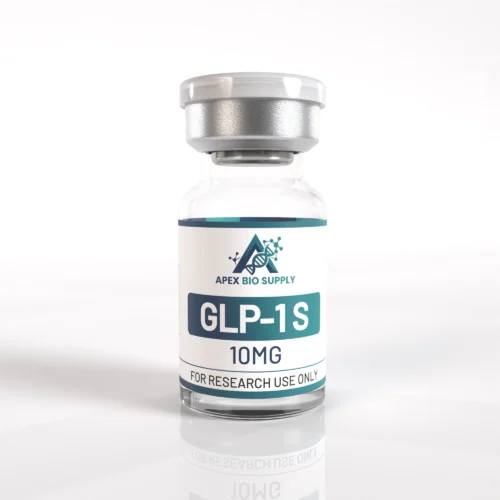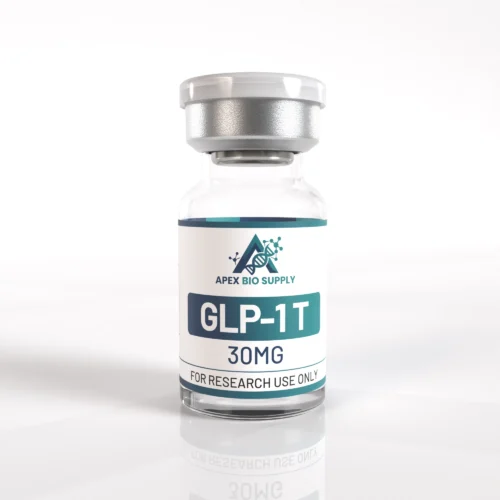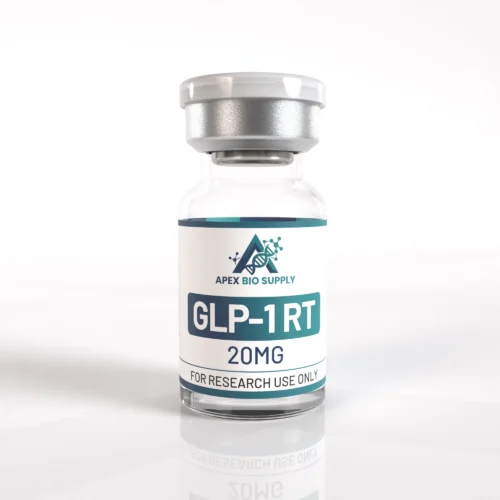


Semaglutide
Semaglutide is a synthetic peptide developed for research applications in the fields of endocrinology, metabolic regulation, and obesity-related studies. It functions as a glucagon-like peptide-1 (GLP-1) receptor agonist, making it a key compound for investigating glucose metabolism, appetite regulation, and energy balance.
Research Context
Semaglutide was developed in the 2010s and has been widely studied in clinical and experimental settings for its role in metabolic disorders, particularly those involving insulin resistance and obesity. In research environments, semaglutide is utilized to explore mechanisms of glucose homeostasis, appetite suppression, and long-term metabolic adaptation.
Research Overview
Semaglutide operates by mimicking the activity of endogenous GLP-1, stimulating insulin secretion, reducing glucagon release, and slowing gastric emptying. These combined effects make it a valuable compound for studying metabolic pathways related to blood sugar regulation and body weight management. Its prolonged half-life also allows researchers to investigate sustained receptor activation and its systemic impacts over time.
Due to its targeted mechanism of action, semaglutide is frequently used in controlled studies examining energy intake, adipose tissue dynamics, and endocrine signaling pathways.
Key Research Focus Areas
- Metabolic Regulation: Studies focused on glucose metabolism, insulin response, and glycemic control mechanisms.
- Obesity and Weight Research: Investigation into appetite suppression, caloric intake reduction, and body weight modulation.
- Endocrine Function: Analysis of GLP-1 receptor pathways and their influence on hormonal signaling.
- Adipose Tissue Studies: Research on fat distribution, storage, and metabolic activity in experimental models.
- Long-Acting Peptide Research: Evaluation of prolonged receptor activation and its physiological implications.
Safety and Compliance
Semaglutide is intended strictly for laboratory research purposes and must be handled by qualified professionals in controlled environments. Due to its potent effects on metabolic and endocrine systems, all research involving semaglutide should follow established regulatory standards, including appropriate storage, handling, and documentation protocols.
For research use only. Not for human or animal consumption.
| Weight | N/A |
|---|---|
| Size | 5MG, 10MG, 15MG, 20MG |