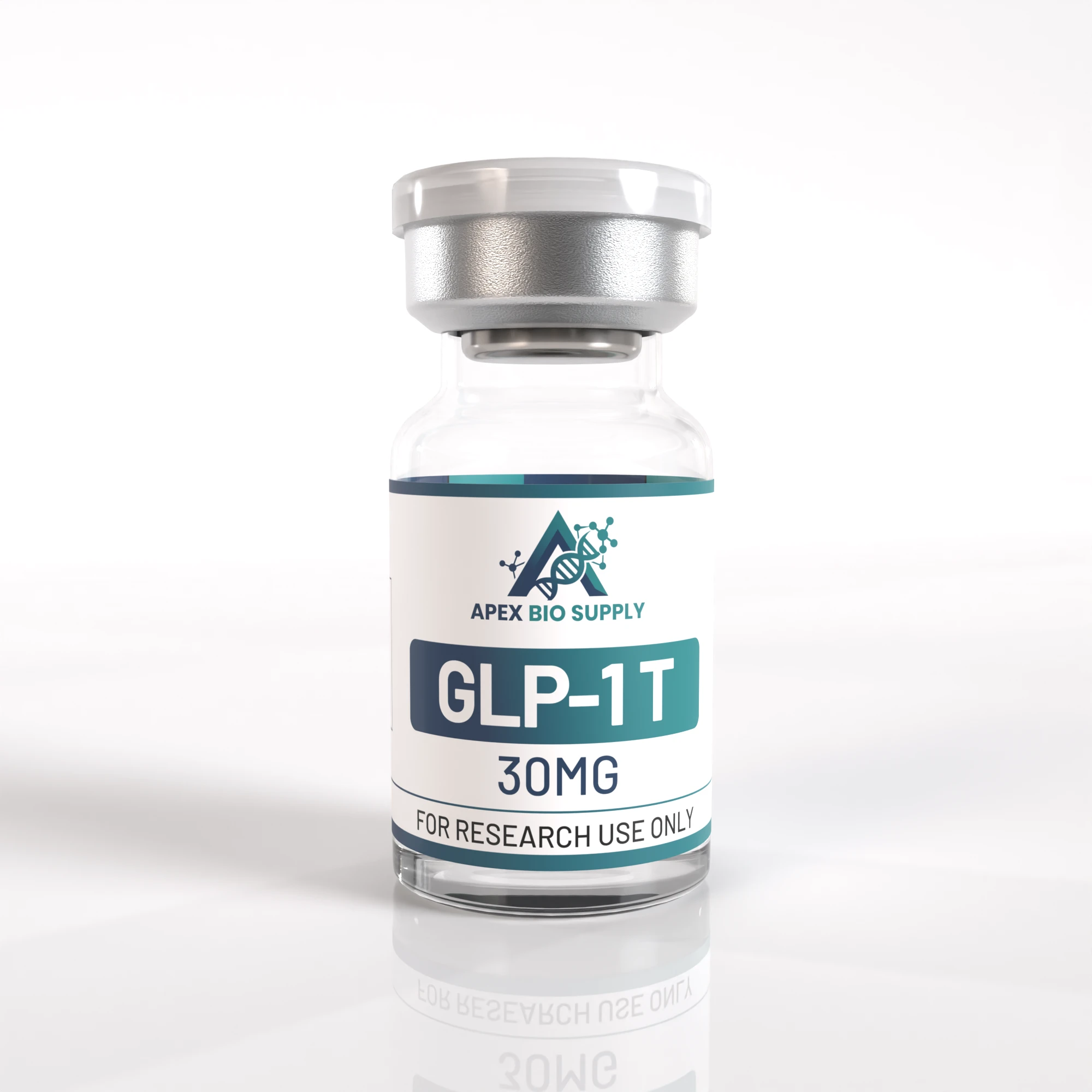

GLP-1T
GLP-1T is a research-use-only peptide derived from glucagon-like peptide-1 (GLP-1) signaling pathways, studied primarily within the context of metabolic research and related biological investigations. This peptide represents an important component in the exploration of endocrine regulation, appetite modulation, and glucose homeostasis in controlled experimental settings.
GLP-1T is part of a broader class of peptides that have been historically linked to gastrointestinal hormones, insulin secretion, and satiety responses. While its structure and function remain under investigation, GLP-1T has been explored in preclinical studies to better understand its potential role in metabolic processes.
Research Overview
The peptide GLP-1T is primarily studied in research environments to evaluate its interaction with GLP-1 receptors and related pathways. Its application in laboratory settings facilitates investigations into physiological mechanisms such as glucose metabolism, appetite regulation, and potential effects on pancreatic function. Due to its role in gastrointestinal physiology, GLP-1T research often explores its implications in metabolic syndrome, obesity, and related endocrine disorders.
Key Research Focus Areas
- Glucose Metabolism: Investigation of GLP-1T’s influence on insulin secretion and blood glucose regulation, particularly in relation to diabetic models and metabolic homeostasis studies.
- Appetite Regulation: Evaluation of its potential effects on satiety and feeding behavior within controlled animal and cell-based studies.
- Endocrine Signaling Pathways: Examination of interactions with GLP-1 receptors and downstream signaling cascades relevant to gastrointestinal physiology.
- Metabolic Syndrome Studies: Preclinical research exploring its role in obesity, insulin resistance, and related metabolic disorders under experimental conditions.
It is essential to note that GLP-1T is exclusively intended for research purposes and not intended for therapeutic, diagnostic, or cosmetic use in humans or animals.
For research use only. Not for human or animal consumption.
| Size | 20MG, 30MG, 40MG, 50MG, 60MG, 70MG, 80MG, 90MG, 120MG |
|---|